


aluminum honeycomb ceiling panels
What are the advantages and disadvantages of aluminum honeycomb panel ceiling? What is an aluminum honeycomb panel ceiling?
With the rapid development of the modern architectural decoration industry, the selection of ceiling materials has become an essential aspect of interior design. Traditional ceiling materials such as gypsum board and aluminum gusset panels each have their own advantages in terms of functionality and decorative properties. However, with increasing demands for aesthetics, environmental friendliness, and practicality, new materials are constantly emerging. Among them, aluminum honeycomb panel ceilings, with their unique structure and excellent performance, are becoming a popular choice for both home and industrial decoration.
- Definition and Structure of Honeycomb Panel Ceilings
Aluminum honeycomb panel ceilings are a new type of ceiling material primarily made of aluminum alloy and featuring a honeycomb sandwich structure. Inspired by the natural honeycomb structure, their design incorporates lightweight and high-strength properties into architectural decoration through biomimetic principles. Aluminum honeycomb panel ceilings typically consist of three components:
- Surface panel: Typically made of high-quality aluminum alloy sheet, the surface is treated with spraying, lamination, or anodizing to provide excellent decorative effects and corrosion resistance.
- Honeycomb Core: The core consists of a hexagonal honeycomb-shaped aluminum foil structure, similar to a honeycomb, offering numerous voids and light weight while maintaining high structural strength.
- Back Panel: Similar to the surface panel, it provides additional structural support and enhances overall stability.
This “sandwich” composite structure is produced through a high-temperature, high-pressure bonding process. The panels typically range in thickness from 8 to 15 mm and are large in size (common sizes are 600 mm x 1200 mm or larger), making them suitable for seamless installation over large areas. Aluminum honeycomb ceilings look similar to traditional aluminum gussets, but their internal honeycomb structure imparts unique physical properties, such as lightness, high strength, and excellent sound and thermal insulation.
II. Advantages of Aluminum Honeycomb Ceilings
- Lightweight and High Strength
The core of an aluminum honeycomb ceiling is an aluminum honeycomb structure, resulting in an extremely light weight of only approximately 4 to 6 kg per square meter, significantly less than traditional gypsum board or solid wood ceilings. However, it offers exceptional compressive and flexural strength, capable of withstanding significant external forces without deformation. This makes aluminum honeycomb ceilings particularly suitable for installation in large spaces, such as living rooms, conference rooms, or commercial halls, reducing the building’s load while ensuring structural stability.
- Excellent Sound and Heat Insulation
The hexagonal voids in the honeycomb core effectively block sound transmission, providing excellent sound insulation, making it particularly suitable for spaces requiring a quiet environment, such as offices, study rooms, or bedrooms. Furthermore, the air layer within the honeycomb structure provides thermal insulation, reducing the impact of temperature differences between indoors and outdoors, resulting in significant energy savings.
- Beautiful and Stylish Decorative Effect
Aluminum honeycomb ceilings feature a large-scale design with minimal joints, creating a strong sense of unity and creating a simple, elegant, and high-end visual effect. The surface can be customized with a variety of textures and colors, including wood grain, stone grain, and metallic finishes, adapting to diverse decor styles, from modern minimalist to classical Chinese. Furthermore, their high flatness makes them less susceptible to the cracking and deformation common in traditional ceilings.
- Environmentally Friendly and Durable
Aluminum honeycomb panel ceilings are primarily made of recyclable aluminum alloy, embracing modern green environmental protection concepts. Their surface undergoes a special treatment, making them waterproof, moisture-proof, corrosion-resistant, and wear-resistant, making them suitable for humid environments such as kitchens and bathrooms. They offer a service life of over 20 years and low maintenance costs.
- Convenient Installation
Aluminum honeycomb panel ceilings feature a modular design, making installation simple. They are typically secured via a keel system or specialized hangers, resulting in efficient construction. Compared to traditional gypsum board ceilings, large honeycomb panels require no on-site cutting or complex processing, reducing construction dust and noise, making them suitable for quick renovation projects.
III. Disadvantages of Aluminum Honeycomb Panel Ceilings
- High Cost
Compared to traditional aluminum gussets or gypsum board ceilings, aluminum honeycomb panel ceilings have a complex production process, resulting in higher raw material and processing costs, leading to a higher market price. Generally, the price of a large honeycomb panel ceiling ranges from 200 to 500 yuan per square meter, depending on the material, craftsmanship, and brand. This can be a significant constraint for renovation projects with limited budgets.
- Long Customization Cycle
Because aluminum honeycomb ceilings offer a high degree of customization (e.g., size, color, and texture), production cycles are typically lengthy. This can take weeks or even longer, especially when special specifications or complex surface finishes are required. This can have a significant impact on projects with tight deadlines.
- Difficulty in Repair
Although aluminum honeycomb ceilings are highly durable, they can be challenging to repair if damaged (e.g., scratches or dents). Due to their composite structure, replacing individual panels may require specialized tools and techniques, and the cost is high. Furthermore, improper installation of the keel can lead to looseness or unevenness, complicating future maintenance.
- Stylistic Limitations
Although aluminum honeycomb ceilings offer a variety of surface finishes, their modern appearance is more suitable for minimalist, industrial, or high-tech decor styles. For decors seeking retro, intricately carved, or personalized designs, large honeycomb panels may lack the expressiveness to accommodate complex ceiling designs.
- Requires High Installation Skills
Although honeycomb panels are easy to install, they require high levels of flatness and precision in the construction of the keel system. Inadequate installation skills can result in uneven panel alignment or overall ceiling instability, impacting both aesthetics and longevity. Therefore, selecting an experienced construction team is crucial.
IV. Applications for Honeycomb Ceiling Panels
Aluminum honeycomb ceilings are widely used in a variety of settings due to their unique performance and aesthetics. The following are some typical applications:
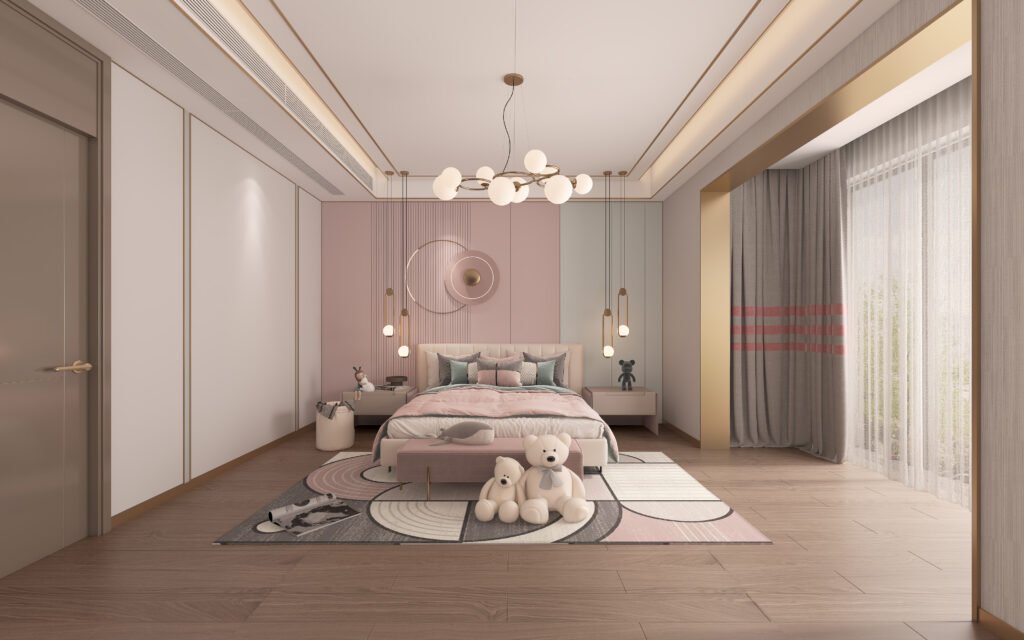
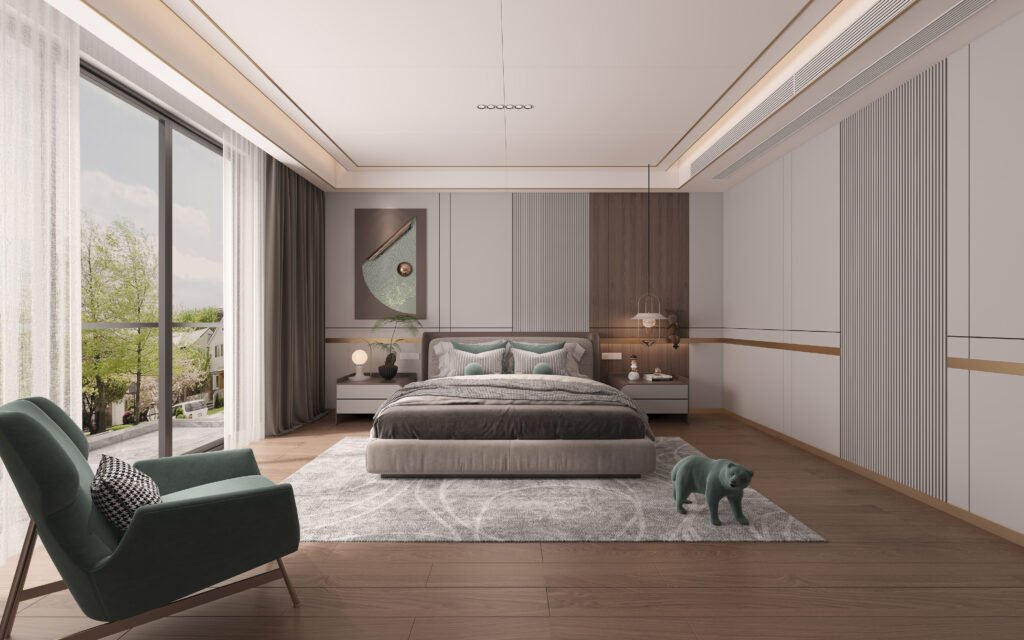
- Home Decoration: In living rooms, dining rooms, and bedrooms, honeycomb ceilings, with their large size and seamless design, create a spacious and bright visual effect. Wood-grain or metallic-textured aluminum honeycomb ceilings are particularly appealing in modern minimalist, Nordic, or light luxury decor.
- Commercial Spaces: Aluminum honeycomb panels’ high strength and lightweight properties make them an ideal choice for large spaces like hotel lobbies, conference rooms, and shopping mall atriums. Their sound and thermal insulation properties also enhance the space’s comfort.
- Public Facilities: Honeycomb ceiling panels are highly favored in public buildings such as airports, high-speed rail stations, and hospitals for their durability and fire resistance (aluminum alloy is a Class A fireproof material), meeting high building safety standards.
- Humid Environments: In high-humidity areas such as kitchens and bathrooms, honeycomb panels’ moisture- and mildew-resistant properties make them superior to traditional gypsum board, preventing mold and deformation.
V. How to Choose an Aluminum Honeycomb Ceiling Panel?
- Budget: Choose the appropriate brand and specifications based on your renovation budget, avoiding blindly pursuing high-end products.
- Style Requirements: Select the appropriate surface texture and color based on your interior design style to ensure harmony with the overall decor.
- Usage Environment: Consider the humidity, temperature, and sound insulation requirements of the installation environment and select the appropriate thickness and surface treatment.
- Construction Team: Select an experienced installation team to ensure construction quality and avoid any future problems.
- Brand and After-Sales Service: Choose reputable brands and pay attention to their product quality certifications and after-sales service to reduce usage risks. In practice, consumers should carefully consider their budget, decorating style, and the environment in which they will be used to choose the most suitable ceiling solution. With advancements in production technology and intensified market competition, the cost-effectiveness of aluminum honeycomb ceilings is expected to further improve, bringing a high-quality decorative experience to more homes and commercial spaces.
- Aluminum Honeycomb Panel: Complete Technical Guide for Building & Construction
- What is aluminum honeycomb used for?
- Advantages of Aluminum Honeycomb Panels for Custom Cabinets and Furniture
- Advantages of Aluminum Honeycomb Panels in Airport and Public Space Applications
- How is aluminum honeycomb panel produced and the production process of aluminum honeycomb panel
- Should I choose honeycomb aluminum panels or solid multi-layer panels for bathroom cabinets?

